

Are Sustainable Winter Materials Worth It? Here's the Truth About Eco-Friendly Gear
Let's cut to the chase: sustainable winter materials are absolutely worth it, but not for the reasons most marketing campaigns tell you. After testing gear from both ends of the spectrum, here's what actually matters when you're deciding whether to invest in eco-friendly winter equipment.
The Real Environmental Impact
Traditional winter gear manufacturing is a water-guzzling monster. Making just one regular winter coat consumes over 6,800 liters of water and dumps harmful chemicals into waterways. That's enough water for you to drink for about 9 years.
Sustainable materials like recycled polyester, organic cotton, and newer fibers like TENCEL™ Lyocell flip this script entirely. They use significantly less water, energy, and skip the toxic chemical bath that traditional manufacturing relies on.
But here's what really matters: leading sustainable brands are backing up their claims with real numbers. We're talking 98% preferred and recycled materials, 100% responsibly sourced down, and 92% of water-repellent treatments that are free from those nasty PFC and PFAS chemicals that stick around in the environment forever.

Performance: Where the Rubber Meets the Road
The biggest myth about eco-friendly winter gear? That it doesn't perform as well as traditional materials. This is complete nonsense.
Recycled fabrics deliver the same durability and performance as their brand-new counterparts. Natural fibers like merino wool actually outperform synthetics in key areas. Wool absorbs moisture 7 times faster than synthetic alternatives and moves 50% more moisture away from your body.
Take something like our high-quality winter skiing pants. These aren't just windproof and waterproof – they're designed with materials that naturally resist odors through antimicrobial properties. You can wear them multiple days without that funky smell that synthetic materials develop.
The Durability Factor
This is where sustainable gear really shines. While fast fashion winter jackets might last one season (if you're lucky), quality eco-friendly gear is built to survive multiple winters of abuse.
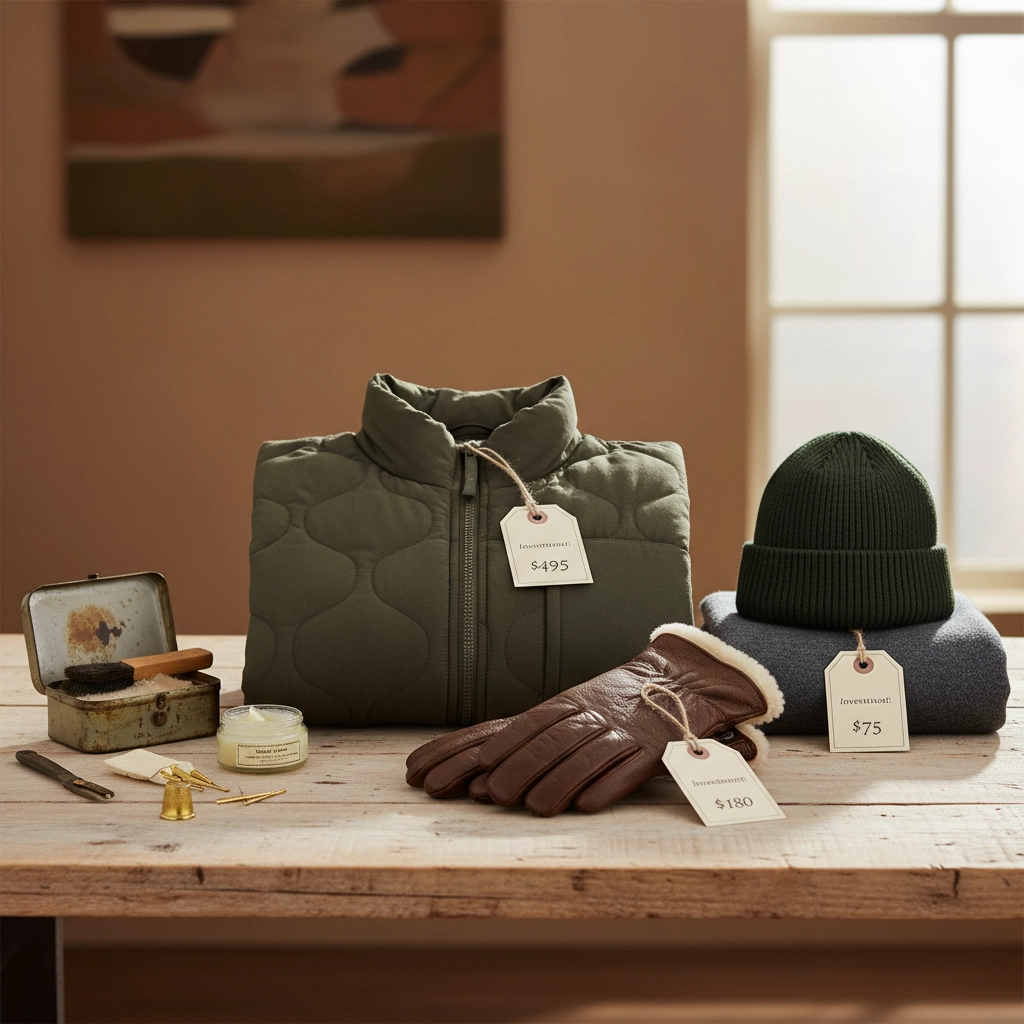
The construction quality is simply better. Sustainable brands know their customers are paying premium prices, so they can't afford to cut corners. Many offer repair services and warranties that extend product life even further.
When you break down cost-per-wear over several seasons, that expensive sustainable jacket often costs less than buying cheap alternatives every year.

The Hidden Performance Benefits
Natural materials have built-in advantages that synthetic alternatives struggle to match. Those 3M waterproof winter gloves with touch screen capability? The sustainable versions often breathe better while maintaining waterproofing, preventing that clammy feeling you get with traditional synthetic gloves.
Even accessories like waterproof socks perform better when made with sustainable materials. They manage moisture more effectively and maintain their waterproofing longer because the materials are inherently designed to work with your body, not against it.
The Cost Reality Check
Yes, sustainable winter gear costs more upfront. But this isn't just greenwashing markup – there are real reasons for the price difference.
Ethical manufacturing means paying workers fair wages and maintaining safe working conditions. Sustainable materials often require more complex processing or use recycled content that costs more to source and process. Quality construction takes time and skilled labor.
But here's the kicker: when you factor in durability, performance, and the fact that you won't need to replace gear as often, the math often works in favor of sustainable options.
Real-World Testing: What Actually Works
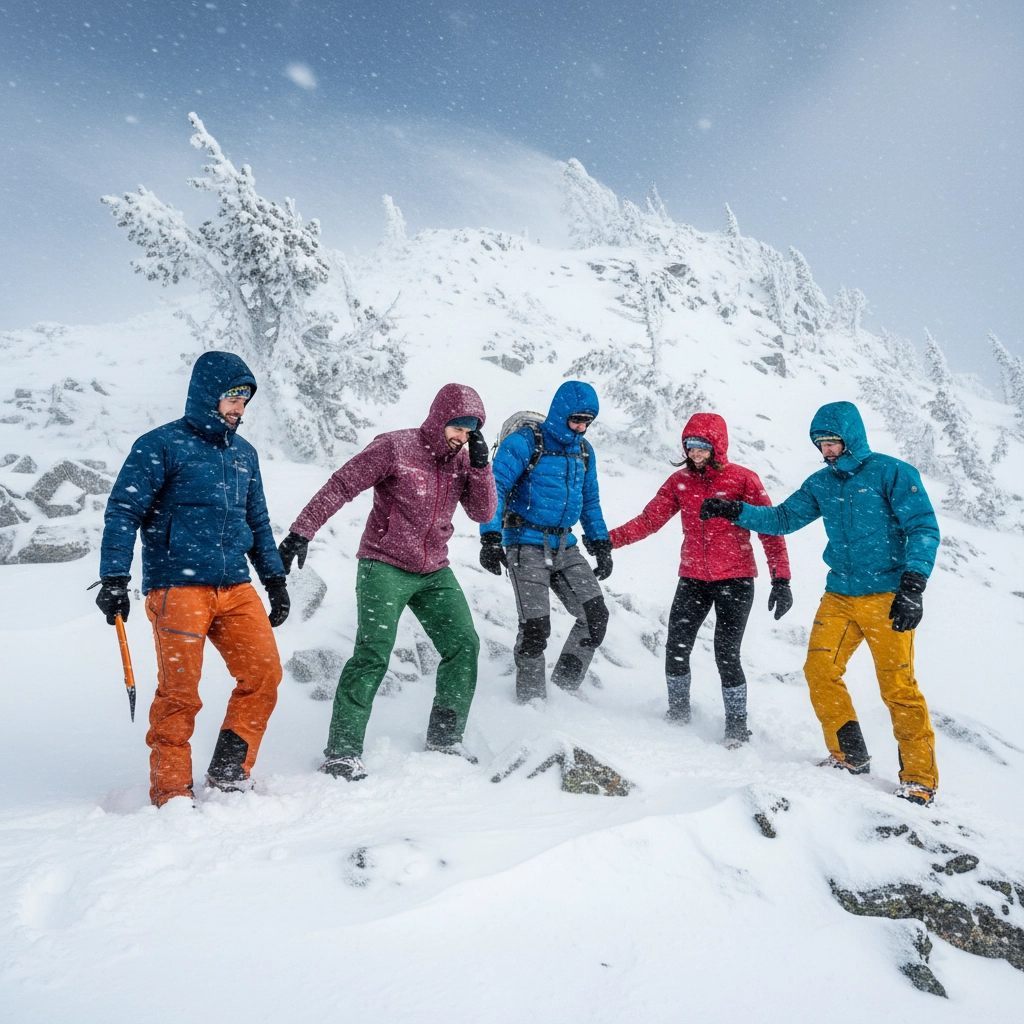
We've put sustainable winter gear through the wringer, from skiing to winter camping to everyday wear. Here's what we learned:
Insulation: Sustainable puffer jackets using recycled or ethically sourced down are lighter while providing the same warmth. You'll notice the difference when you're moving around all day.
Base Layers: Natural fibers regulate temperature better than synthetics. You stay comfortable across a wider range of conditions without constantly adjusting layers.
Outer Shells: Eco-friendly waterproof materials last longer before their DWR (durable water repellent) coating fails. Traditional synthetic shells often need retreatment after one season.
Accessories: Items like ski helmets and goggles made with sustainable materials tend to have better ventilation systems and more comfortable fit over extended wear.
The Circular Economy Advantage
Sustainable gear is designed for the long haul. Many pieces can be repaired, updated, or recycled at end of life. Some brands even take back old gear to recycle into new products.
This circular approach means your purchase supports a system that reduces waste rather than contributing to the throwaway culture of fast fashion.
When Sustainable Makes Sense
Sustainable winter materials are worth it if you:
- Plan to use the same gear for multiple seasons
- Value consistent performance over flashy features
- Want gear that actually gets better with age (like quality wool items)
- Care about the environmental and social impact of your purchases
- Prefer investing in fewer, higher-quality pieces
They might not be worth it if you're a casual user who only needs winter gear occasionally, or if you like switching styles frequently.
The Bottom Line
Sustainable winter materials deliver real performance advantages, last longer, and support better manufacturing practices. The higher upfront cost is justified by superior durability, better performance characteristics, and the peace of mind that comes from responsible consumption.
The key is buying from brands that back up their sustainability claims with transparent practices and measurable results. Look for specific certifications, material sourcing information, and companies that offer repair services.
Ready to upgrade your winter gear game? Check out our complete winter sports equipment collection where we've curated the best sustainable options that actually perform when it matters. From base layers to outer shells, we only stock gear that meets our performance and sustainability standards.
Don't let another winter season leave you cold and disappointed with cheap gear that falls apart. Invest in equipment that works as hard as you do, season after season.
Leave a comment